
Platform-Specific AI Optimization: Why One Strategy Won’t Work for ChatGPT, Perplexity, and Gemini
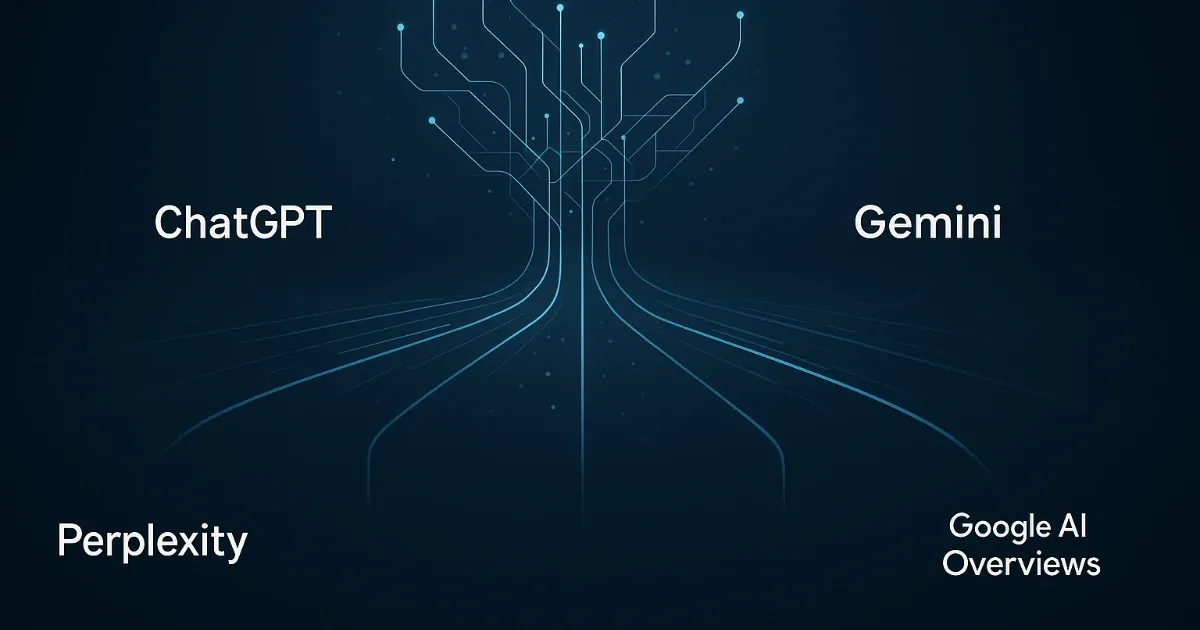
Most agencies are throwing money at AI optimization like it’s 2010 SEO. They’re creating one strategy and hoping it works across ChatGPT, Perplexity, and Gemini. It doesn’t.
Recent analysis of large-scale citation patterns across major AI platforms reveals dramatically different behaviors that most marketers completely miss. While you’re optimizing for “AI search” as a monolith, your competitors are targeting each platform’s specific preferences and winning the citations that drive real business.
This guide breaks down the platform architecture differences, citation patterns, and optimization strategies that separate successful AI campaigns from expensive failures. You’ll learn exactly what each platform values, how to prioritize your efforts, and get actionable checklists for each major platform.
Why Generic AI Optimization Strategies Fail
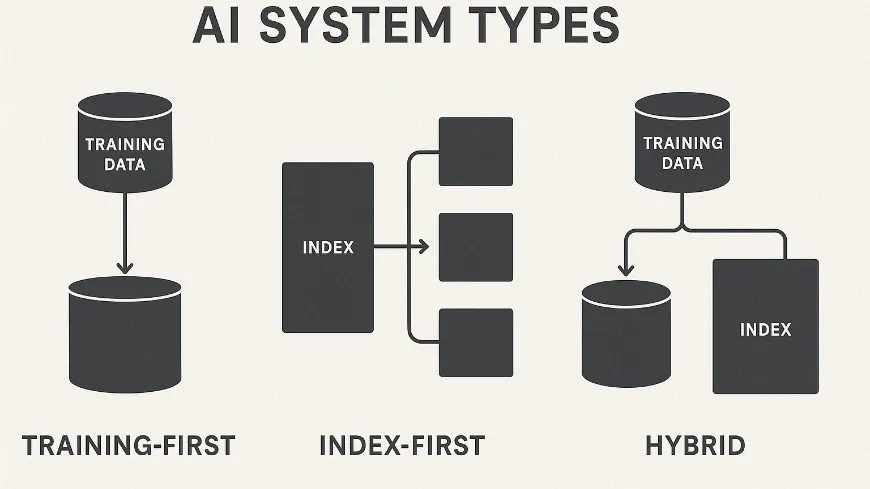
AI platforms aren’t just different interfaces accessing the same data. They’re fundamentally different systems with unique architectures, training approaches, and content preferences.
Most agencies treat AI optimization like traditional SEO. They focus on keywords, backlinks, and generic “quality content” without understanding how each platform actually selects and cites sources. This approach wastes resources and misses massive opportunities.
The architecture differences are stark:
Training-first models like ChatGPT rely heavily on data from their training sets, with newer information layered on top. They show strong bias toward certain domain types and established sources.
Index-first systems like Perplexity prioritize real-time crawling and fresh content. They can surface brand-new information but apply different authority filters.
Hybrid approaches like Google AI Overviews combine multiple signals, balancing freshness with authority in ways that don’t match traditional Google search rankings.
When you use a one-size-fits-all strategy, you’re optimizing for none of these systems effectively. You end up ranking well in traditional search while remaining invisible to the AI tools that increasingly drive discovery and purchase decisions. Understanding intelligent search optimization strategies provides the foundation for platform-specific approaches.
Platform Architecture Differences Most Miss
Understanding how each platform processes and selects content is critical for effective optimization. The differences go far beyond surface-level features.
ChatGPT operates on a training-first model where the base knowledge comes from training data, with additional information layered through browsing capabilities. This creates strong preferences for established domains and authoritative sources. The system tends to favor content that aligns with patterns it learned during training, making consistency with established knowledge crucial.
Perplexity uses a real-time index approach that prioritizes fresh information and live web access. It can cite sources published minutes ago, but applies different relevance and authority filters than traditional search engines. The platform’s high citation rate means most answers get sourced, but those sources need to meet specific freshness and relevance criteria.
Google AI Overviews employ a hybrid system that combines traditional Google search signals with AI processing. This creates unique ranking factors that don’t always match traditional search results. The system can surface content that ranks poorly in organic search but meets specific AI criteria.
Gemini focuses on context-first processing with enhanced ability to handle longer documents and complex queries. It excels at synthesizing information from multiple sources but has different citation patterns and source preferences than other platforms.
These architectural differences create distinct optimization opportunities. Content that performs well on one platform might be invisible on another, not due to quality differences but because of fundamental system preferences.
Citation Source Preferences by Platform
Large-scale citation analysis reveals striking differences in how platforms select and prioritize sources. These patterns directly impact optimization strategies.
| Platform | Domain Preference | Citation Behavior | Freshness Weight | Authority Signals |
|---|---|---|---|---|
| ChatGPT | ~80.4% .com domains, Wikipedia-heavy* | Variable | Moderate | Training data alignment |
| Perplexity | Reddit prominence, diverse sources | High rate | High preference | Real-time relevance |
| Google AI Overviews | YouTube prominence (~9.5%), balanced distribution | Selective | Medium | Traditional SEO + AI factors |
| Gemini | Context-dependent, longer documents | Variable | Medium | Comprehensive coverage |
*One study reported this figure, though the domain TLD is a coarse indicator, and content authority, relevance, and indexing play larger roles.
ChatGPT’s citation patterns show preferences for established domains and authoritative sources like Wikipedia. The platform frequently references similar authoritative sources across multiple queries, suggesting that building presence on these preferred domains offers advantages.
Perplexity’s approach differs dramatically, with Reddit content appearing in citations more frequently than on other platforms. Research indicates AI systems generally cite fresher content than traditional search (average 2.9 years vs 3.9 years), though specific freshness windows aren’t publicly verified.
Google AI Overviews show YouTube appearing in top-10 cited domains (~9.5% in one dataset), often pulling video content for answers where other platforms would use text sources. This creates unique opportunities for video-based optimization strategies.
Gemini’s citation patterns vary more by query complexity, with longer, more comprehensive sources getting preference for complex topics. The platform shows less domain bias but requires deeper, more thorough content coverage.
Understanding these preferences allows you to tailor content optimization strategies to each platform’s specific algorithms and selection criteria.
Content Format Requirements
Each platform has distinct preferences for content structure, length, and presentation that directly impact citation likelihood.
Content depth varies significantly across platforms. ChatGPT often cites comprehensive, authoritative pieces that demonstrate expertise across multiple aspects of a topic. Perplexity frequently pulls from shorter, more focused content that directly answers specific questions. Google AI Overviews balance depth with accessibility, often citing content that provides both an overview and specific details.
Freshness requirements create different optimization windows. While specific timeframes aren’t publicly verified, research suggests AI systems generally prefer fresher content than traditional search. This means consistent publishing schedules may offer more value than evergreen content optimization alone. ChatGPT shows less freshness bias, making comprehensive cornerstone content valuable. Google AI Overviews fall between these approaches, valuing updated content without requiring constant publishing.
Citation density expectations also differ. Perplexity’s high citation rate means it needs sources for most claims, favoring well-referenced content. ChatGPT can provide answers without citations, making source attribution less critical for visibility. Google AI Overviews cite selectively, requiring content that stands out among traditional search results.
Schema markup variations impact different platforms differently. Traditional Article and FAQ schema benefit Google AI Overviews significantly. Perplexity shows less schema dependency, focusing more on content relevance and freshness. ChatGPT’s citation patterns suggest minimal schema impact, with content quality and authority weighing more heavily.
These format requirements mean effective AI optimization requires platform-specific content strategies, not generic “AI-friendly” approaches.
Review Platform Strategy: Where AI Actually Cites
Review platforms represent a critical but overlooked component of AI optimization. Analysis shows different patterns in how each platform treats review-based content.
Review citation patterns vary by platform, with some studies suggesting differences in B2B software citations between ChatGPT and Perplexity. However, citation patterns vary by query type, domain, and dataset, making universal claims difficult.
Review content optimization requires understanding each platform’s authority signals. ChatGPT tends to cite established review platforms and comprehensive comparisons. Perplexity shows willingness to cite newer review sources and user-generated content. Google AI Overviews often pull review snippets directly into answers, making review schema and structured data crucial.
Authority signals for reviews vary by platform. ChatGPT values review comprehensiveness and expert analysis. Perplexity emphasizes recent reviews and real user experiences. Google AI Overviews balance multiple factors, often favoring reviews that include specific details and verified indicators.
Industry-specific review optimization becomes critical when you understand these patterns. B2B service companies might find different platforms more effective for review content, while consumer brands may see varying results based on platform preferences.
This data suggests that the review strategy should be platform-specific, with different content types and optimization approaches for each major AI system.
WP Suites’ Strategic Platform Prioritization
Not every business should optimize for every platform. Resource allocation and platform prioritization depend on your audience, industry, and business model.
B2B service companies typically see better ROI from ChatGPT optimization due to the platform’s preference for authoritative, comprehensive content. Professional services, consulting, and enterprise software benefit from ChatGPT’s citation patterns and user behavior.
E-commerce and consumer brands often find Perplexity optimization valuable due to the platform’s diverse source preferences and fresh content focus. Product reviews, trending topics, and real-time inventory information align with Perplexity’s strengths.
Local businesses should prioritize Google AI Overviews optimization since these results appear directly in traditional Google search. Local SEO signals and Google Business Profile optimization translate more directly to AI Overview visibility.
Content publishers and media companies benefit from multi-platform strategies but should weigh efforts based on content types. Breaking news and trending topics may perform better on platforms that favor freshness, while comprehensive guides work better for systems that value authority.
Resource allocation frameworks help determine platform priority:
High-volume, low-complexity businesses should start with Google AI Overviews optimization since it leverages existing SEO investments.
Expert-driven, high-value businesses should prioritize ChatGPT optimization to capitalize on authority and expertise signals.
Fast-moving, trend-dependent businesses should focus on platforms that favor freshness and discovery benefits.
This strategic approach prevents scattered effort that reduces AI optimization ROI and ensures resources go toward platforms that actually drive business results.
Platform-Specific Optimization Checklists
Important Note: Platform citation patterns vary by query type, content domain, and dataset. The strategies below are based on available research and observed patterns, but AI systems continuously evolve. Regular testing and measurement remain essential for effective optimization.
ChatGPT Optimization Checklist
Content Foundation:
- Create comprehensive, authoritative content that covers topics in depth
- Establish expertise through detailed explanations and multiple perspectives
- Include relevant statistics, case studies, and expert insights
- Ensure content aligns with established knowledge in the field
Technical Implementation:
- Optimize for established domains when possible
- Build presence on Wikipedia and other high-authority reference sites
- Create detailed author bios and expertise indicators
- Implement comprehensive internal linking structures
Authority Building:
- Focus on long-form, reference-quality content
- Include multiple credible sources and citations
- Develop topic clusters that demonstrate comprehensive knowledge
- Maintain consistency with established industry knowledge
Perplexity Optimization Checklist
Freshness Strategy:
- Publish new content regularly for maximum visibility
- Update existing content with fresh information and perspectives
- Monitor trending topics and create timely, relevant content
- Implement publishing schedules that maintain consistent freshness
Source Diversification:
- Build presence across diverse platforms, including Reddit and niche communities
- Create content that generates organic discussions and mentions
- Develop relationships with industry communities and forums
- Monitor real-time conversations for content opportunities
Citation Optimization:
- Include comprehensive source lists and references
- Create content that answers specific questions directly
- Develop FAQ sections and Q&A formats
- Ensure claims have supporting evidence and citations
Google AI Overviews Checklist
Traditional SEO Foundation:
- Maintain strong traditional Google search rankings
- Implement comprehensive schema markup (Article, FAQ, How-to)
- Optimize for featured snippets and position zero opportunities
- Build authoritative backlink profiles
AI-Specific Optimizations:
- Create content that balances depth with accessibility
- Include video content and multimedia elements
- Optimize for voice search and conversational queries
- Implement local SEO signals for location-based queries
Content Structure:
- Use clear headings and subheadings for easy parsing
- Include summary sections and key takeaways
- Create scannable content with bullet points and numbered lists
- Ensure mobile-first design and fast loading speeds
Gemini Optimization Checklist
Context and Comprehensiveness:
- Create longer-form content that covers topics comprehensively
- Include multiple related subtopics and comprehensive coverage
- Develop content that can handle complex, multi-part queries
- Focus on context and relationships between different concepts
Document Structure:
- Organize content with clear hierarchies and logical flow
- Include detailed tables of contents and section navigation
- Create interconnected content that builds on related topics
- Ensure content can be understood both individually and as part of larger knowledge systems
Technical Implementation:
- Optimize for longer content consumption and deeper engagement
- Include detailed metadata and content descriptions
- Implement comprehensive cross-referencing and internal linking
- Focus on content that demonstrates expertise across related topics
These platform-specific approaches ensure optimization efforts align with each system’s unique algorithms and selection criteria.
Frequently Asked Questions
Should I optimize for all AI platforms or focus on one? Focus on 1-2 platforms initially, based on your business type and audience. B2B services typically see better ROI from ChatGPT, while consumer brands often benefit more from Perplexity. Spread efforts across all platforms only after achieving success on priority platforms.
How often should I update content for AI optimization? Update frequency depends on the platform and your content type. Research suggests AI systems generally prefer fresher content than traditional search, but specific timeframes vary. Create a platform-specific update schedule rather than generic refresh intervals based on your audience and platform priorities.
Do traditional SEO metrics still matter for AI optimization? Traditional metrics remain important but carry different weights across platforms. Google AI Overviews still rely heavily on traditional SEO signals. ChatGPT shows less correlation with traditional rankings but values authority indicators. Perplexity focuses more on freshness and relevance than traditional authority metrics.
Can I use the same content across all platforms? The same base content can work across platforms with platform-specific optimizations. Adjust content depth, freshness, citation density, and format based on each platform’s preferences. Don’t create entirely separate content, but do customize presentation and optimization for each platform’s algorithms.
How do I measure AI optimization success? Track platform-specific metrics, including citation frequency, mention volume, and referral traffic from each AI platform. Monitor brand mentions in AI responses, track position in AI search results, and measure engagement from AI-driven traffic. Traditional analytics miss most AI optimization impact, so implement specific tracking for AI platforms.
Key Takeaways
- Platform architecture differences require distinct optimization strategies – training-first, index-first, and hybrid systems select content using completely different criteria.
- Citation patterns vary significantly across platforms, with research suggesting different preferences for domain types, content freshness, and authority signals, though patterns vary by query type and dataset.
- Strategic platform prioritization based on business type delivers better ROI than generic multi-platform approaches – B2B services should consider ChatGPT, while consumer brands might explore Perplexity optimization.
- Platform-specific checklists ensure optimization efforts align with each system’s observed preferences, from ChatGPT’s authority requirements to Perplexity’s freshness focus.
- Success measurement requires platform-specific tracking beyond traditional SEO metrics, including citation frequency, mention volume, and AI-driven referral traffic.
Need help developing a platform-specific AI optimization strategy for your business? Our team analyzes your industry, audience, and competition to create targeted campaigns that actually drive results. Schedule your free AI optimization assessment today and discover which platforms offer the highest ROI for your specific situation.
Put ISO to work on your site
A quick consultation, a clear plan, and no term contracts.